
Floods Strike, Insulin Runs Out: Pakistani Lives on the Line
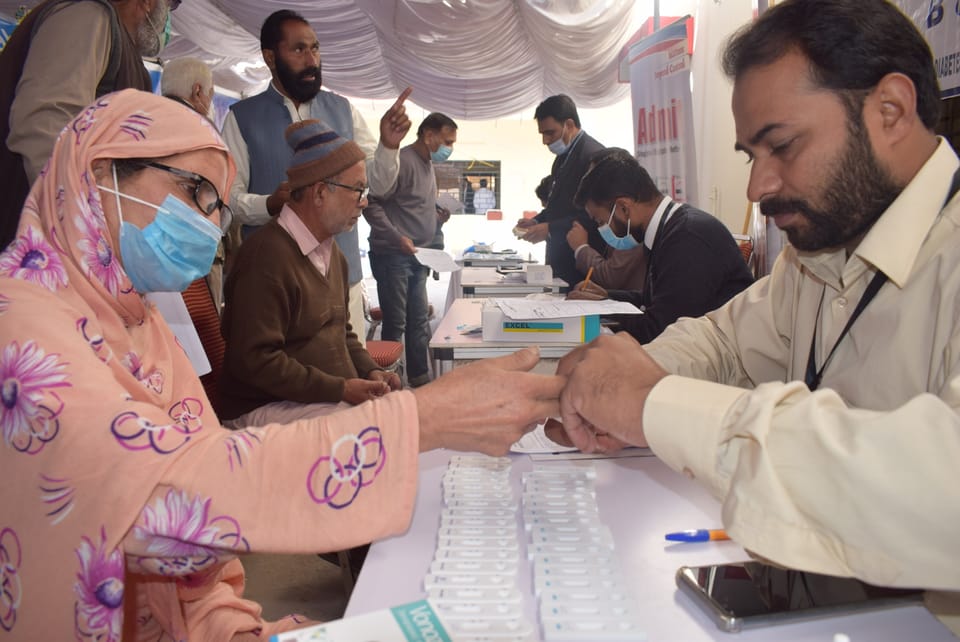
This in-depth report was developed in collaboration with Meethi Zindagi, whose field access and data supported the reporting process. It highlights the intersection of climate resilience and type 1 diabetes(T1D) among women in Pakistan. Names of participants have been changed to maintain privacy and confidentiality.
Pakistan hasn’t just stood at the mercy of alarming annual floods; it has become a hub of silent health emergencies, with women with diabetes bearing a disproportionate burden. Beyond the immediate impact of climate extremes, the triple challenge: managing diabetes, menstrual cycles, and mental health, a combination neglected during relief planning. According to the International Diabetes Federation (IDF) diabetes atlas, 2024 report, the country ranks among the highest for increasing diabetes prevalence, with an alarming 31.4% of adults affected. Almost 8.9 million remain undiagnosed, reaching fatal situations according to 2022 reports. Yet the nation’s 33 million diabetic population have limited access to consistent care during the climate crisis and national scale support.
Across Punjab, at least 4700 villages have been impacted after the Sutlej, Chenab, and Ravi overflowed their embankments, displacing over 4.2 million people in Punjab alone. Meanwhile, Karachi, KPK, and the low-lying areas of the river banks bear the debt of poor systematic developments sweeping away yet more human lives.
Floodwaters in Bahawalpur’s Christian area forced families, including Shafaq’s, to evacuate with just a few belongings and the clothes on their backs. According to local authorities, relief camps are currently housing thousands of displaced residents after emergency evacuations across Pakistan. Charity wings like Saylani, UNICEF, and Helping Hand for Relief and Development (HHRD) have stepped in to fill critical gaps in support. Their relief camps stretch from Karachi to Swat, Mansehra to Lahore, and Rawalpindi. According to HHRD sources, over 80,000 flood-affected individuals have received aid in the form of food rations, hygiene kits, water, and other resources since late June 2025.
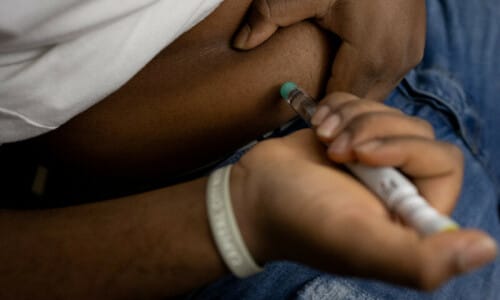
Yet Shafaq had to find her own ways to survive when systematic support and NGO welfare fell short in providing health support.
In the aftermath of losing her house to the disaster, her glucose levels spiked, compounded by the constant stress of displacement. The aid that she received had no insulin or diabetic meal plans. If left untreated, it could be fatal.
In the relief camp, exhausting conditions left most refugees isolated and struggling to meet even basic health needs. Financial constraints only allowed her to purchase a few insulin vials; however, in the sweltering relief camps, the insulin vials could lose potency without cool storage. She relied on keeping blocks of ice in clay pots (mitti k bartan) with the insulin vials inside, which could only stretch the functionality to up to a few days at best.
Pakistanis are yet to recover from the adversities of the 2022 floods, a disaster that claimed lives, destroyed infrastructure, and exposed the fragility of the healthcare system in the depleting climate crisis. The nation is yet again bracing for the losses when it remains unprepared for the recurring torrential rains and India’s annual dam release. , Pakistan is currently at the forefront of the diabetic population, with figures projected to increase to 70.2 million by 2050, according to IDF. Without urgent reforms, recurring floods could turn a manageable health crisis into a large-scale public health emergency.
For Dr. Ayza Yazdani, an EMDR(Eye Movement Desensitization and Reprocessing) practitioner and psycho-therapist, the aftermath of floods and displacement poses long-term threats to women’s mental and physical health. Limited relief aid, combined with caregiving responsibilities mostly falling on women, leaves little room for proper nutrition in already rationed meals.
Anum Anwar, manager of programs at Meethi Zindagi (MZ), emphasized: ‘During natural or human-made disasters, most relief efforts focus on providing food, shelter, and protection from infectious diseases. However, for people living with type 1 diabetes (T1D), access to both food and insulin is equally critical for survival. This must be recognized as a top-priority need in disaster response and policy frameworks, in line with WHO essential medicines legislation.’
For every ration bag handed out, there was no guarantee of balanced carbs or portion control; the very basics women with diabetes need to match insulin doses with their meals.
‘We would receive a single meal during the day at no fixed time.’ Shafaq shared. ‘I couldn’t maintain the levels within the ideal range due to limited food and nutritional value. Even the physically ill didn’t have the support they needed, let alone me, with an invisible chronic illness. I felt alone.’
Shafaq’s struggle is mirrored across thousands of relief camps. Displaced women are left to juggle the impossible balance of rationed food and insulin, which shifts unpredictably with each stage of the monthly cycle.
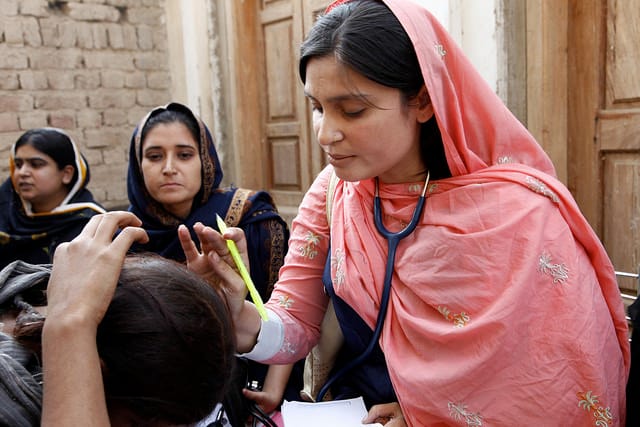
Beyond the physical strain, Dr. Ayza warns of the emotional instability linked to climate-stress. While seeking community and family support is crucial to cope with anxiety and trauma, she emphasized on women prioritizing their own health amidst displacement and its aftermath. Making the most of the available diet, maintaining balanced meals, and leaning on social support are not just physical needs; they’re psychological anchors’, she said. Without this balance, women risk developing long-term physical and emotional complications
According to the World Health Organization (WHO), women are more likely to develop depression compared to men. Climate-induced displacement, if left unaddressed, amplifies its risks, Dr. Ayza stressed.
With larger humanitarian organizations prioritizing immediate survival kits, including food and water resources, the vulnerability of chronic illnesses remains neglected. Since 2020, Meethi Zindagi (MZ) has continued providing educational resources and psychological support during hormonally fluctuating periods of menstruation and pregnancy for women with diabetes, in the added strain of climate catastrophes.
When torrential rains cut off roads and communication, days turned into weeks without access for Sara and Shafaq, relying on this initiative for insulin. Self-management endorsements by MZ’s workshop, online support, and brochures could only extend the upcoming highs for a few days at best. Without lifesaving drugs, levels could fluctuate at both extremes.
Sara experienced an episode of hypoglycemia (low glucose) shortly after floods hit Bahawalnagar. She fled to a relative’s house where, with family help, she was able to manage her condition. Despite receiving insulin through MZ’s aid earlier, most of it had spoiled due to the lack of refrigeration in the relief camps where she had stayed earlier.
Across the country feasibility of emergency health care and seeking medical support has been heavily impacted by waterlogged sites, stagnant water, and clogged drains, hindering infrastructural facilities. In rural areas and interior districts of Dadu, Bahawalnagar, and Mansehra, the crisis deepened. Floodwaters have stranded residents, hospital visits and routine blood testing have become an unaffordable luxury for women with diabetes. With pharmacies and clinics concentrated in major cities, vast stretches of debris and waist-high water have left women with diabetes cut off from essential medical care.
Since 2020, collaborative efforts with Charity Doings Foundation (CDF), Meethi Zindagi have been reaching T1D women on the doorsteps for continued support, including providing insulin supplies, test strips, access to HbA1c testing, and doctors’ availability. In the 2022 floods, CDF sailed boats in high water levels linking major cities to the interior districts of Pakistan. As of the 2025 floods, boats have sailed yet again to continue providing targeted aid for women stranded by stagnant water. The team remained present through call services for emotional and moral support when a lack of available insulin, compounded with elevated cortisol, could risk even higher glucose levels
Dr. Ayza explained that timely diabetic care doesn’t just prevent long-term complications, it also lowers the risk of mood depletion caused by fluctuating glucose levels during menstruation.
‘Unstable sugar levels can swing the pendulum disproportionately before and during the cycle,’ she said.
Studies further confirm a correlation between poorly managed diabetes and heightened symptoms of PMS (premenstrual syndrome) and PMD (premenstrual depression).
Yet as Pakistan braced for another flood crisis, the single most challenging and least addressed health concern for women remains menstrual health. In camps across Pakistan, the lack of sanitary products and safe facilities compounds the daily struggle of managing diabetes, creating a cycle of unreported barriers.
Shafaq had no access to sanitary pads, privacy, or clean toilets. ‘Most times I relied on cloth pieces, rewashing and reusing them,’ she said. Doctors have consistently warned that reusing cloth during menstruation carries risks of bacterial infection. This is a danger that escalates in unhygienic, flood-hit environments.
Shafaq’s experience resonates universally amongst women seeking shelter in relief camps.
A systematic review of Pakistan’s floods in 2022 reveals that at least 8.2 million women were affected, of which 1 in 3 women did not have access to sanitary products, while 1 in 2 women lacked systematic disposal systems.
Yet the 2025 floods reveal a similar trend of taboo governing the relief camps. Hygiene kits in relief camps don’t include sanitary products for women.
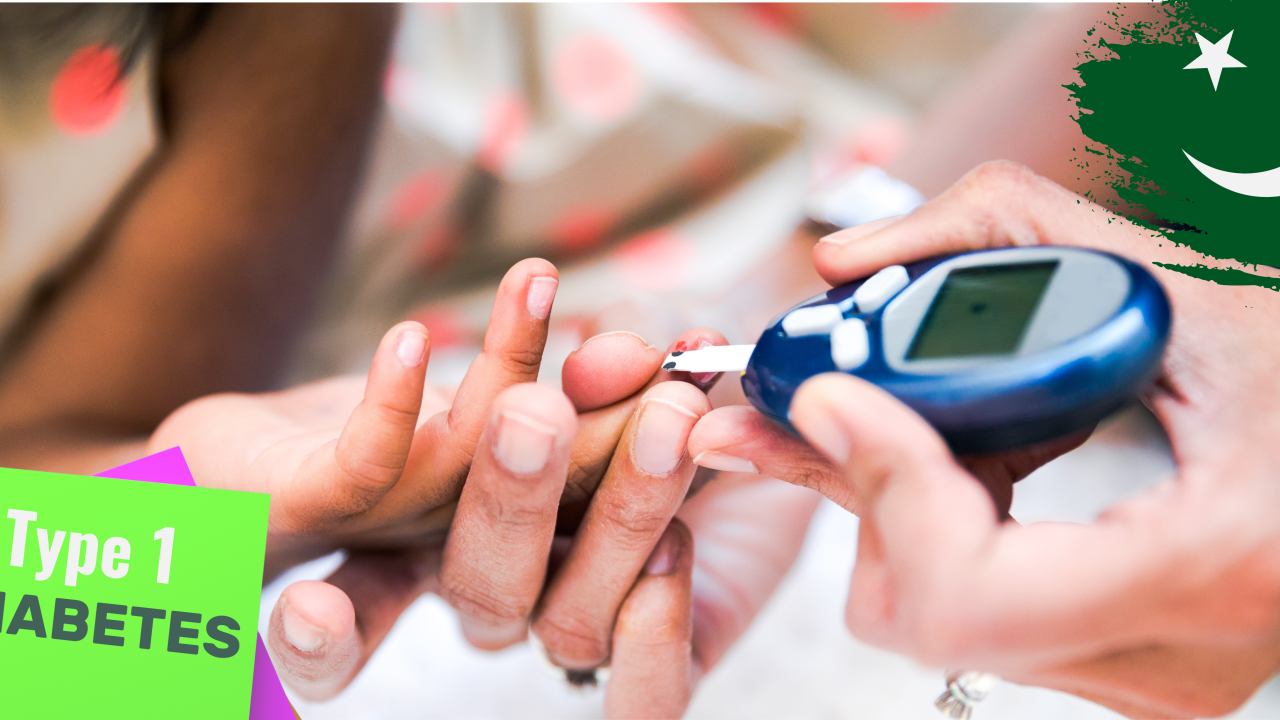
‘We didn’t receive any sanitary products,’ Sara recalled. ‘It added to the pain and helplessness. This challenge is something only women face, and with diabetes, it becomes unbearable.’ She described how conditions improved only after she moved to her relative’s house, where she finally had access to clean toilets and hygiene products.
The added strain of managing diabetes during menstruation isn’t unique to Sara but a biological hallmark of progesterone and estrogen, varying insulin resistance and sensitivity over the monthly cycle. Insulin doses vary with each phase, ranging from the highest insulin sensitivity during the follicular phase, beginning the week after menstruation. Higher carb intake coupled with low insulin doses can be paired; however, sugar cravings are at the lowest, promoting a healthier diet intake during the initial cycle. This sets the stage for lesser cravings as progesterone and estrogen gradually fall after ovulation around mid-cycle. Poor management during the first half risks spiking levels as the body peaks insulin resistance against an all-time low of reproductive hormones.
Disturbed meals due to spoiled food, limited access to diabetic supplies, or meal planning directly impacts menstrual health tied to glucose level, running the cycle of unpredictability of correlational impact. When survival locks in high cortisol levels with high insulin resistance and hand-to-mouth conditions during displacement, predicting correct insulin doses becomes explicitly more vital. Yet chances of maintaining the graphs remain slim when survival mechanisms keep the women occupied throughout the day.
Refugee crisis elevating risks of neglected health leads to unhealthy coping mechanisms that form the blueprint for trauma that lingers long after the threat of climate-induced displacement is gone. Dr. Ayza shared the impending risks of post-traumatic stress disorder (PTSD) and depression in the aftermath of flood relief.
Even basic hygiene becomes a daily battle. For women, this comes at the cost of privacy and poor hygiene after a long wait period in the queues outside the toilets. Despite heavy rainfalls being a natural source of water, in dire conditions, displaced refugees can only consume the contaminated and limited reserves for everyday activities when relief aid falls short. UNICEF and other large-scale NGO’s, initiatives of providing safe water resources.
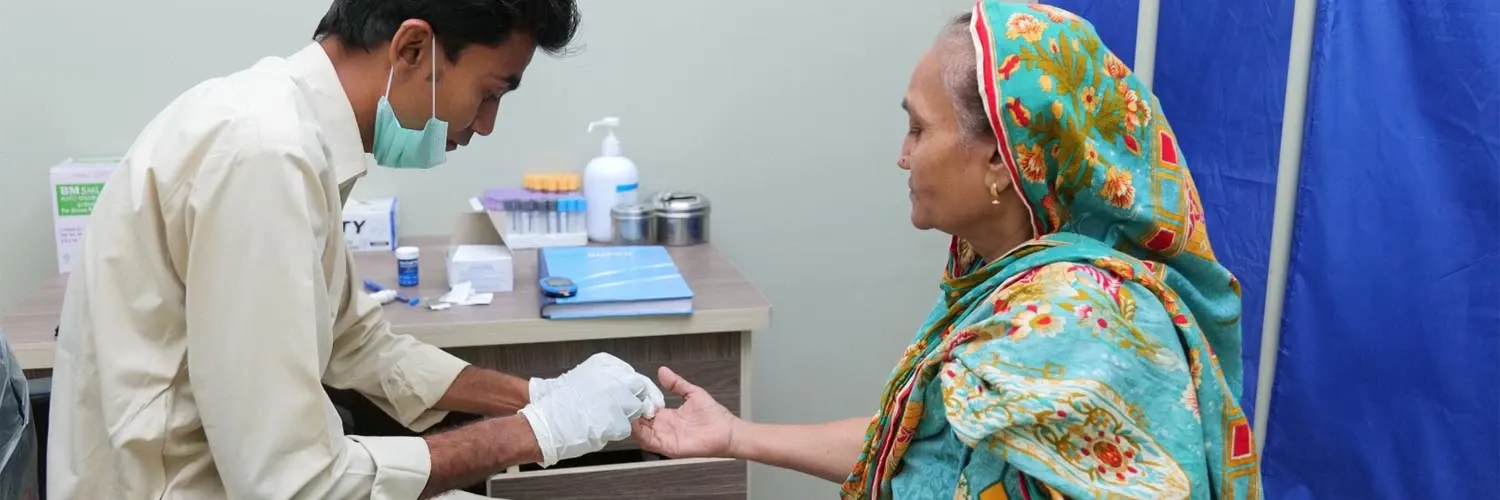
To avoid frequent trips to unsafe bathrooms, many women limit their water intake, heightening the risk of dehydration. Despite limited intake, water-borne diseases, including diarrhea, cholera, and skin infections, are on the rise.
Open contamination becomes a breeding hub for mosquito larvae, housing large swamps. For women with diabetes water borne infectious diseases, risk of elevated glucose levels after contact with fast-breeding bacteria and mosquitoes.
Reportedly, there has been a rise in Acute Watery Diarrhea (AWD) since the late June 2025 floods. As of September UNICEF report indicates a 15% increase in water-borne diseases in KPK alone, after floods destroyed and contaminated water reserves.
According to Al-Jazeera sources, ‘Amnesty International warns about the growing vulnerability of Pakistanis, as the current healthcare and disaster response systems are failing to meet the needs of children and older people who are most at risk of death and disease amid extreme weather events related to climate change.’
In such conditions, the Climate Rate Index 2025 statistics, Pakistan ranks amongst the top 10 most climate vulnerable nations.
Laura Mills, researcher with Amnesty International’s crisis response program, further stressed on Pakistan’s declining healthcare system and the systematic failures during the climate crisis.
She added, ‘Pakistan’s healthcare system is woefully underfunded and overstretched, even in non-emergency times. The climate emergency creates an extra strain that is unbearable, and the system is failing to deliver adequate care to those in need.’
After the 2022 floods, Pakistan has once again witnessed catastrophic yet foreseeable events. Unless Pakistan vows to adopt all preventive precautionary measures, it will continue facing defeat against India’s legislative measure of weaponizing mutual water reserves. More so when it fails to address the vulnerabilities of a humanitarian crisis at a risk of severe losses. With climate change accelerating glacier melt, Pakistan’s infrastructure has become a litmus test for resilience, struggling to bear nearly twice the rainfall it was built to withstand.
While emergency evacuations and relief camps continue, Pakistan’s preventive measures for recurring disasters remain bleak. At the forefront of recurring flood crises, Pakistan’s depleting circumstances call for sustainable dam constructions on the flood plains of the Ravi, Sutlej, and Chenab.
Illegal settlements and growing urban sprawls in the natural course of rivers, including Park View Society, Layari, and Malir towns, risk loss at the cost of a national catastrophe.
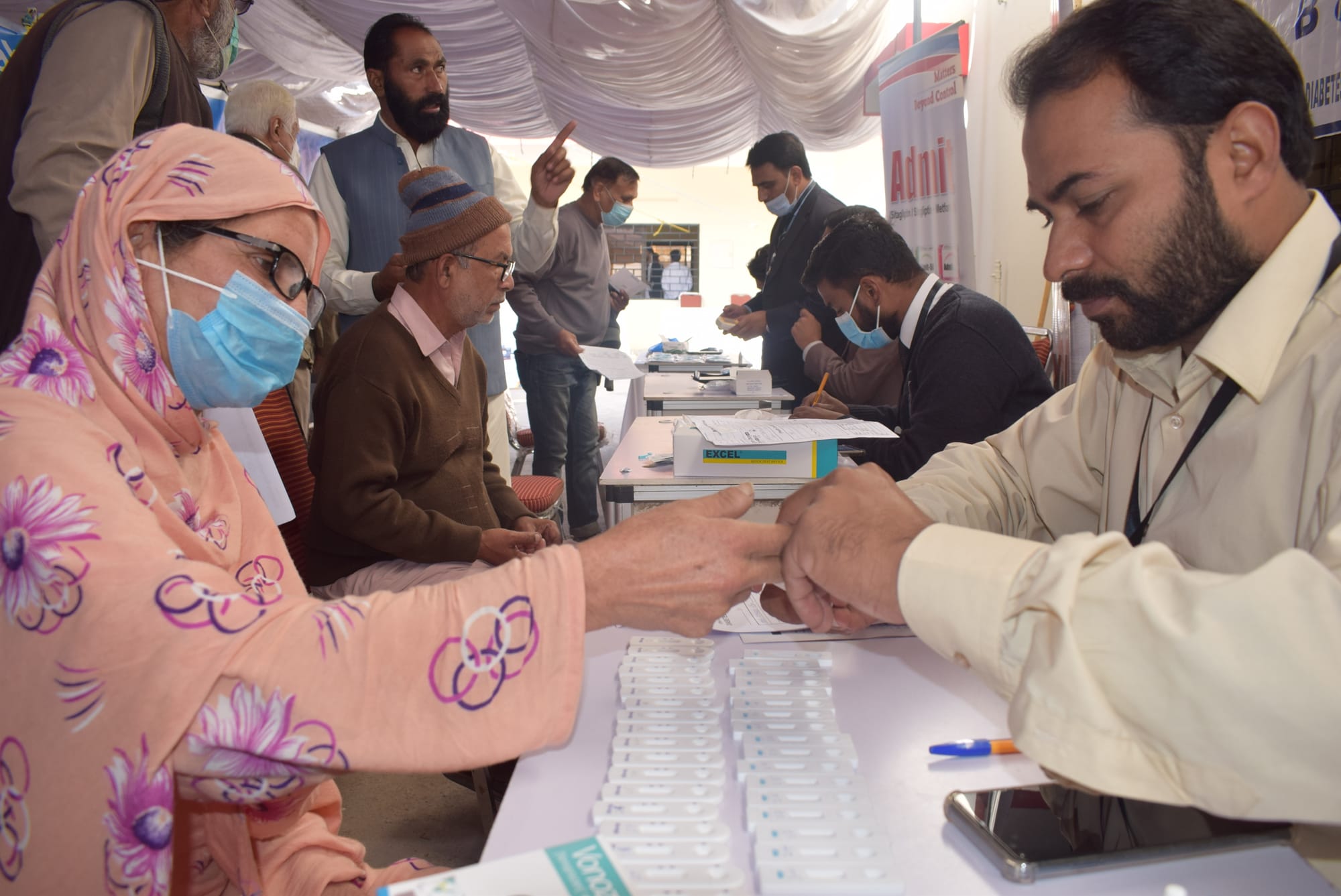
In the aftermath of unprecedented rainfalls as a major blow to the country’s economic status quo and health care systems, diabetic care is an urgent matter calling for policy focus with a gendered lens.
Self-awareness is the first step towards altering insulin doses in proportion to diet ratio, psychological well-being, and the menstrual phase for women. Addressing these issues in financially challenged districts, MZ is educating through workshops, closed in-person and online groups to break the stigma and taboo for the challenges experienced in the flooded districts.
While sanitation, access to hygiene, toiletries, and safe water resources account for basic necessities for women across relief camps, neglect of chronic illness comes at a humanitarian cost.
For Shafaq, diabetes posed barriers when she had to survive without insulin as a lifesaving drug. Fluctuating levels, PMS, and sanitation were the single most distinguishing factors between women and men experiencing challenges in diabetic care.
‘Providing safe sanitation for women is the least that should be provided by the government and policy providers, after we are forced to leave behind our homes, which had all the facilities we are deprived of,’ Shafaq added.
Diabetes, menstrual health, and mental well-being are not just personal struggles for women like Shafaq and Sara but are compounded by systemic failures, natural disasters, and inadequate policy attention. Safe sanitation, access to hygiene, and consistent medical support remain the bare minimum that should be guaranteed, especially when communities are forced from their homes. Without targeted policies and gender-sensitive disaster planning, women with chronic illnesses are projected to continue facing preventable risks.
Huda Azam is a journalist and a writer. Her work includes gendered issues, climate crisis, culture society and how they intersect at the evolving geopolitics and crisis at large
Member discussion