
Rape survivors in Pakistan struggle to access justice despite legal reforms
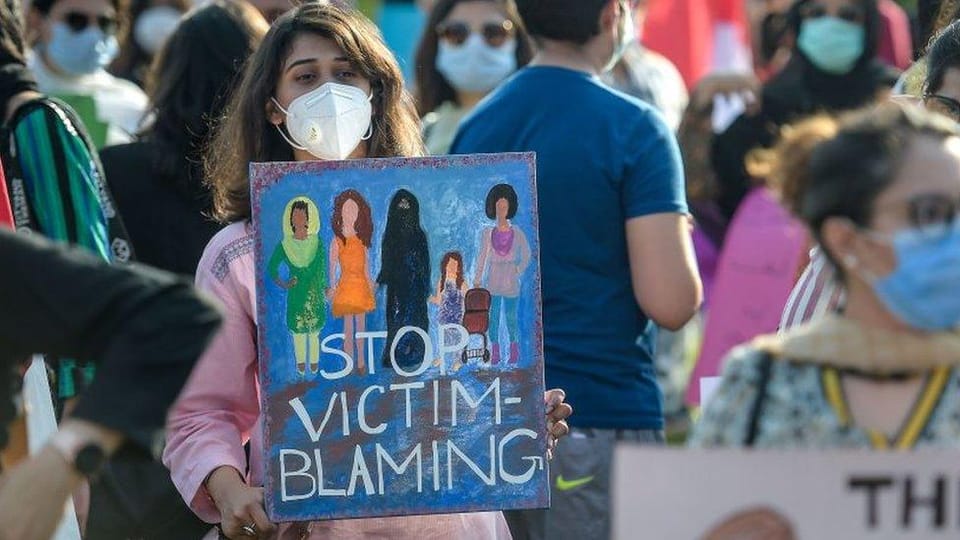
A new report by Equality Now explores the limitations of Pakistan’s reforms and what survivors needs.
A recent case has come to light where a 19 year old young woman has been allegedly gang-raped by four men near Rawat, Punjab. The mother of the victim says the assault took place when the mother of two left for some Eid shopping for her children. Police have registered the case and initiated an investigation but this isn’t an isolated incident. Police in Gujar Khan police have arrested a man accused of raping a woman after allegedly administering intoxicating pills to her in the Bewal area. In both cases the victims underwent medico-legal examinations in order to move the investigations forward. But these medico-legal examinations have been considered controversial by women’s rights activists in Pakistan not just because of the excessive trauma they put victims through, but also due to lack of trained medico-legal officers and outdated methods.
A new report by Equality Now, based on research by the organisation and lawyer Sahar Bandial, an Advocate of Pakistan’s High Courts has also shed light on these very examinations, calling for a more survivor-led approach. The report, released Tuesday, focuses on strengthening implementation, evidence gathering and support services which can help Pakistan turn legal reforms into effective justice for sexual violence survivors.
“Pakistan has strengthened its sexual violence laws and, while these are welcome changes, it needs now to build on those with effective enforcement. The priority now is consistent legal implementation enabled by better resourcing, training and accountability. Gaps in laws that leave women and girls unprotected must be closed and state support services improved so that all survivors can receive the justice they are entitled to,” says Equality Now’s Jacqui Hunt.
Those gaps between laws and their implementation have very real consequences for those who are victim to sexual violence. Earlier this year, in January, Pakistan’s Supreme Court changed a rape conviction to fornication, reducing a 20-year sentence to five years, and the fine from Rs500,000 to Rs10,000. The reasons for the change were cited as the complainant’s silence, lack of resistance, and absence of physical marks.
This is despite the fact that rape in Pakistani law is based on the absence of consent, as the Equality Now report points out, which means physical evidence of violence is not needed to prove rape, and survivor testimony alone can be sufficient to secure a conviction. Yet authorities continue to interpret this differently.
There have been some improvements. The report shows that the introduction of fast-track mechanisms offers a promising pathway to timely justice, with research finding higher satisfaction among survivors using Gender-Based Violence Courts compared to regular criminal courts. However, rape cases still routinely experience long delays, procedural problems, and poor coordination between police, prosecutors and Women Medico-Legal Officers (WMLO).
The 68 page long report is a crucial indepth look into the flaws and limitations of Pakistan’s justice system when it comes to achieving just outcomes for victims of sexual violence. It bridges the gap between the wins in legal reform and their lack of translation in cases where it matters the most, and points out the fundamental issues that restrict our implementations of solutions.
Priority actions in the report include:
- Strengthen implementation of rape law reforms, ensuring the expanded definition of rape and principles of consent are consistently understood and applied by police, prosecutors and judges.
- Address legal inconsistencies related to child marriage, including closing protection gaps that undermine safeguards for girls and expose them to sexual violence.
- End extra-legal settlements and forced compromises in rape cases by enforcing existing laws and holding perpetrators and community actors accountable.
- Improve police accountability and investigation practices, including mandatory registration of complaints, prohibition of evidence tampering and strengthened disciplinary measures for misconduct.
- Invest in survivor-centred medico-legal systems, including updated standard operating procedures, increased recruitment and training of female medico-legal officers and timely forensic evidence collection without requiring prior registration of a complaint.
- Strengthen prosecutorial oversight and judicial training, including capacity building on evidentiary standards, exclusion of past sexual history evidence and elimination of rape myths in court proceedings.
- Ensure free and accessible legal aid and survivor support services, including psycho-social support, victim and witness protection and regular updates throughout legal proceedings.
- Increase sustained funding for forensic infrastructure and specialised units, including properly resourced women’s and children’s desks in police stations.
- Improve monitoring and data collection, including gender-responsive and disaggregated data on reporting, prosecution and conviction rates to inform policy reform and accountability.
Lawyer and report lead author, Sahar Bandial, points out, “For survivors of sexual violence, accessing justice and support in Pakistan remains slow, difficult, often retraumatising and impossible for many. While legal reforms are a vital step, they must now translate into tangible, meaningful change in police stations, courtrooms and communities throughout the country.”
Member discussion