
The Unseen Threat: Smog’s Growing Toll on Pregnancy and Mental Health
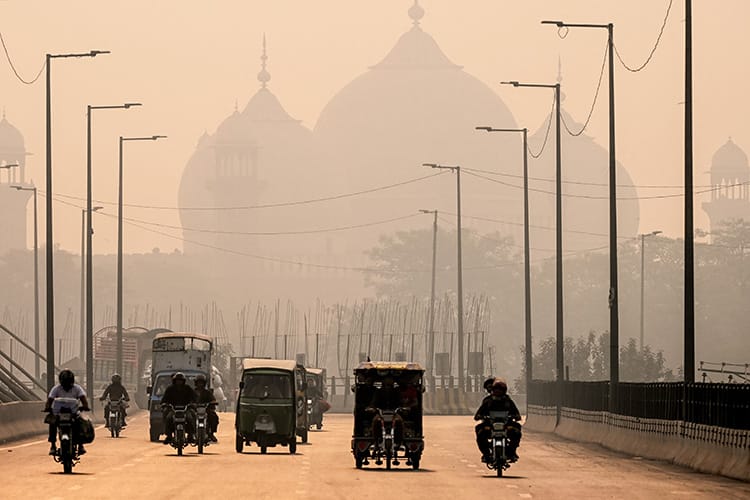
Like every other season now, Pakistan is once again engulfed with unprecedented levels of smog, with hazy grey skies blanketing cities across the country. Lahore, in particular, continues to top global charts for hazardous air quality, a grim pattern that has persisted and worsened over the past few years, as air quality meters consistently record rising pollution levels.
Smog affects everyone, from those with existing autoimmune conditions to otherwise healthy individuals. Yet, one area that receives far less attention is its impact on pregnant women, a group especially vulnerable to the health consequences of prolonged exposure to toxic air. Prolonged exposure to toxic air places expecting mothers at heightened risk, both physically and emotionally. Recent years have brought forward research linking air pollution to serious pregnancy complications, including preterm birth, low birth weight (LBW), and miscarriage. These outcomes not only increase neonatal mortality but also set the stage for long-term developmental and health challenges.
Air pollution, often referred to as a “silent killer,” mirrors the effects of smoking in its impact on maternal and fetal health. It interferes with fetal growth, triggers inflammation, and induces stress responses within the body, all of which can critically affect both the mother and the unborn child.
In 2019, as air pollution levels soared globally, researchers estimated that nearly 5.9 million preterm births and around 2.8 million low birth weight deliveries were directly linked to pollution exposure. These sobering figures prompted the World Health Organization (WHO) to label the situation a “silent emergency,” warning that air pollution contributes to around 6 million preterm births each year, a statistic that shows no signs of slowing.
A Regional Crisis: South Asia’s Disproportionate Burden
Nowhere is this crisis more prevalent than in South Asia, home to 49 of the world’s 50 most polluted cities. Countries like India, Pakistan, Bangladesh, and Nepal routinely suffer from dangerously high air pollution levels, and the consequences are especially dire for pregnant women. Just last year, Lahore’s pollution soared to over 100 times the WHO guideline, with AQI readings surpassing 1,000 (where any AQI above 200 is considered “very unhealthy”). UNICEF has already warned that such extreme exposure places pregnant women at high risk and expecting mothers who breathe polluted air are more likely to go into preterm labor and have babies with low birth weight.
The scale of the problem is deeply alarming. In Punjab alone, one of Pakistan’s most smog-stricken regions, over 11 million children under the age of five are regularly exposed to severely polluted air. And with Pakistan’s preterm birth rate at 14.3% (as of 2020), one of the highest globally, the environmental threat only increases an already fragile maternal healthcare system. While part of the blame lies with inadequate healthcare infrastructure, environmental pollution is undeniably a major contributing factor to Pakistan’s high rates of stillbirth, neonatal death, and pregnancy loss. And yet, research specifically focused on this crisis remains limited. That gap, however, hasn’t stopped medical professionals from speaking out.
“Smog may increase the risk of preterm labor and other problems, such as low birth weight, underdeveloped lungs in the baby, and even death of the baby during or shortly after birth,” warned Dr. Al-Fareed Zafar, principal of a medical college in Lahore.
The Emotional Weight of Smog on Pregnant Women
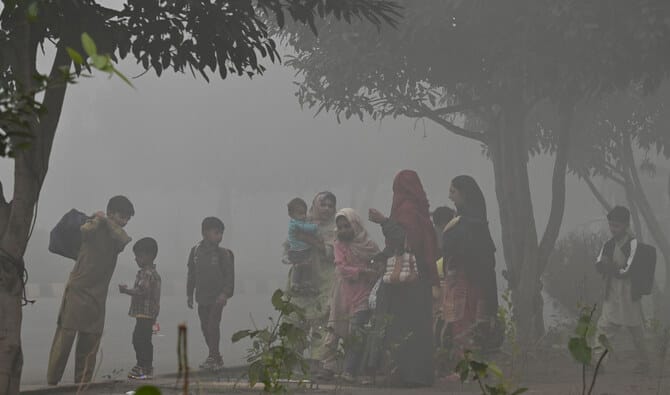
Beyond the physical risks, smog carries a substantial psychological toll on pregnant women, an impact that is just beginning to receive the attention it deserves. According to Afrah Arshad, psychologist and founder of Teen Therapy Wellness, the mental and emotional strain of environmental anxiety is real and significant.
“Expecting mothers who are exposed to or even just aware of high pollution levels often experience heightened anxiety and fear related to their own health and their baby’s well-being. I remember feeling helpless during my own pregnancy, knowing I couldn’t control the environment outside my home. That constant worry led to stress, sleep disturbances, and even mild depressive symptoms.”
The mental load of pregnancy is already heavy, and when combined with environmental fears, it can quickly escalate into prenatal anxiety and emotional burnout. That’s why Afrah emphasizes a two-pronged approach, which is emotional validation and practical action.
“I start by acknowledging that their concerns are valid. Then I help them distinguish between what they can control and what they can’t. We talk about simple steps, like using air purifiers, staying indoors during peak smog hours, and integrating calming routines such as prenatal yoga or breathing exercises.”
Afrah also advocates for emotional self-care and community support, emphasizing that mental health is just as crucial as physical health during pregnancy. Whether through journaling, grounding exercises, or mindful consumption of news, small behavioral shifts can make a meaningful difference.
“I always remind mothers that feeling part of a solution, such as joining advocacy for cleaner air, can be incredibly empowering and healing in itself.”
A Call for Holistic Support
Smog is not merely an environmental or medical issue; it is a multidimensional crisis that touches physical health, mental well-being, and societal responsibility. As it intensifies each year in Pakistan, so too must our response.
Supporting pregnant women in this crisis requires more than policy or healthcare reform. It demands empathy, education, and community-based support. Mental health care must be adopted in maternal health strategies, especially in countries where pollution shows no sign of abating.
Because at its core, this issue is not only about air, it's about the right to breathe safely during one of the most vulnerable times in a woman’s life.
Seerat Khan is the co-founder and Editor in Chief at Echoes Media as well as a digital rights activist working with the Digital Rights Foundation as the Programs Lead.
Member discussion