
Women's Health Is More Than Clickbait
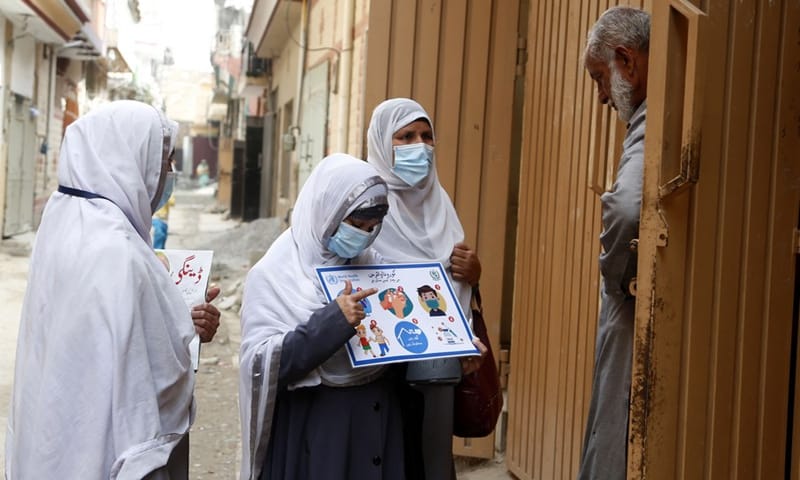
Pakistani women have long seen the division of “good” and “bad” women on television - not just through the fictional tv dramas whose popularity continues to sweep the nation - but also in how media outlets continue to talk about women in public domains. But while we’ve started understanding that these black and white stereotypes are harmful and need to be challenged, we still have a long way to go when it comes to changing more subtle representations of women in media that cause harm. These are showcased within multiple areas of women’s lives, whether it’s their clothing and career choices or the decisions they make for themselves. Most prominently over the last few months, we’ve also seen deliberate and unchecked misinformation around the HPV vaccine campaign, especially through social media - which led to a lower uptake of the vaccine than the government aimed for. This vaccine was targeted specifically for young girls, and ended up raising a lot of questions around the way we see and perceive issues such as reproductive health, fertility and women’s bodies within our cultural landscape. Most importantly, it brought to light the countless taboos that still plague our understanding of women’s health and the very real harms these can cause within women’s lives.
Who Gets To Talk About Women’s Health - And How?
While an increasing number of women are choosing to build public personas to challenge stereotypes around women’s identity and issues, there’s still so many restrictions around what women can speak about and how. Most of these are self-imposed by our own society, with terms related to menstruation, sexual and reproductive health and even women’s body parts long being considered taboo within public spheres - and sometimes even within the home.
“Discussions on menstruation, pregnancy, postpartum mental health, breast cancer, and sexual and reproductive health frequently rely on euphemisms or moral judgements rather than clear, biomedical, or psychosocial language. This constrains the public’s understanding of women’s health and reinforces stigma, especially when women professionals engage in public discourse,” says Rooshan Alam, a clinical psychologist trauma informed trainer, whose work focuses on mental health literacy, women’s wellbeing, and the public impact of misinformation in Pakistan.
Alam, who has herself faced a significant amount of harassment online for sharing her views around women’s mental health and empowerment, creates content that targets these issues within our society and calls out the barriers women face in building healthy lives.
“I recently experienced this firsthand when my professional commentary on social issues was reframed as a violation of moral norms, leading to widespread online harassment. This narrative conflates health education with ideological dissent,” she says of the recent attacks she faced.
This kind of silencing both online and offline promotes misinformation and skewed perceptions for women regarding their own health as well. What should be necessary medical information begins to be seen as dirty or vulgar.
“Many media narratives oversimplify women’s health—for example, portraying period pain as something women should “tolerate,” showing pregnancy as effortless, or suggesting that breast cancer only affects older women. These messages spread misinformation and minimize real health concerns” says research scholar Nigarish Umer.
It’s not just physical health either. Women’s mental health - which has recently become an important issue that many advocates have been talking about - has long been portrayed in stereotypical ways on Pakistani tv and through that in the way it’s discussed on social media.
Hourab Din, a program Officer at SheMatters, and a Digital Journalist focusing particularly on Freedom of Religion and Beliefs who has worked extensively on menstrual health management campaigns points out, “ from language like bechari, to women always seen as having constant issues, needing support, or not being independent, what you’re portraying is only women have mental health issues,” she says. This is furthered by the fact that these mental health illnesses that many women characters face on screen are rarely resolved, or even often seen as a punishment for the “bad” characters.
“Women are portrayed negatively even in mental health cases, if she is having anxiety or depression. In contrast male characters are portrayed in a positive light even if they have mental health issues they just find a way to get themselves back,” further observes Dr. Bisma Nayyer, Founder and Director of Global Health Connect.
Changing The Way We Talk About Women
Dr. Nayyer, who works as a consultant in public health, believes that a major part of these issues comes from a woman’s value, and care for her health being linked solely to her reproductive health and fertility. That needs to change.
Language is important in terms of breaking taboos. For example, in international media, or when we talk about social media advocacy, now we see if we have a rape case or sexual case, instead of reading a girl or woman was raped, the language used is “a man raped a woman,” so language is very important. We still resort to victim blaming and even in terms of sensitivity, there’s no training for journalists,” she says.
Din also adds that in her experience, using local language goes a much longer way in helping audiences connect to the issue. This has been seen in recent campaigns around breast cancer awareness, where using terms like “chathi ka cancer” have allowed a larger audience to connect to awareness campaigns and understand the healthcare needed around it.
“We try to use Urdu language a lot. I recently did a podcast on SRHR and we used urdu terms for reproductive health and periods, mahwari etc because not everyone has the same understanding of certain words. People associate sexual and reproductive health with sexual intercourse,whereas in Urdu it's connected to our culture, there’s a better connection,” shares Din of her experience.
So much still needs to change around us in order for women to really gain a sense of their own health and advocate for it, and for then the systems around us to in turn give them space to access the healthcare they need. “Media institutions should normalize scientific discourse, consult qualified experts, and contextualize women’s health issues within rights-based and psychosocial frameworks. Additionally, women professionals should be able to speak on these topics without their credibility being questioned for reasons unrelated to their expertise,” Alam says.
Until our media portrayals of women, and our general perception, don’t accommodate women as human beings worthy of healthcare regardless of their motherhood, women will not be able to access healthcare the way they deserve.
Anmol Irfan is a freelance journalist, editor and the co-founder of Echoes Media. Her work focuses on marginalised narratives in the Global South, looking at gender, climate, tech and more. She tweets @anmolirfan22
Member discussion